
DRINKING ALCOHOL TOO MUCH
This campaign gives people knowledge on how to control drinking alcohol,
this also gives people information on the effect of drinking too much alcohol in our health.
This campaign tells about how drinking too much alcohol can affect on our body/health , and to decrease to the population of people died because of drinking alcohol.
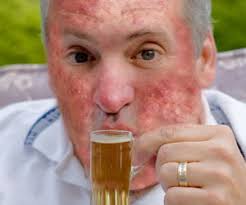

Diseases caused by alcohol:
LIVER CANCER- Alcohol is mostly metabolized in the liver,which is why the liver is particularly at risk of damage. the body metabolizes alcohol into acetaldehyde, a substance that is both toxic and carcinogenic
CANCER- Chronic alcohol consumption can increase the risk devoliping different cancers, including cancers of the mouth, esophagus,larnyx,stomach,liver,colon,rectum,and breast.
IMMUNE SYSTEME DYSFUNCTION- Drinking too much weakness the immune system , making the body vulnerable to infectious diseases, such as pneumonia and tubercolosis.
Alcohol causes changes in red blood cells, white blood cells, and platelets.

WAYS TO RESISTS ALCOHOL CRAVINGS:
1. Recognize Triggers:
An urge to drink can be set off by external or internal triggers. Recognizing these and avoiding them are key to quitting drinking and maintaining long-term sobriety. In many cases, getting involved in other activities can help.1
External triggers: People, places, things or times of the day associated with drinking opportunities or behaviors can easily cause relapse. High-risk situations are more obvious, predictable and avoidable than internal triggers.1
2. Avoid High-Risk Situations:
The best strategy to prevent drinking is to avoid high-risk situations. Do not buy or keep alcohol at home. Family members can assist in this by not drinking alcohol at home or in the presence of loved ones in recovery. Avoid social situations in which alcohol is served. If you feel guilty about turning down an invitation, remind yourself that one day you may have the willpower to abstain when others are drinking around you.
3. Communicate Effectively:
Understanding alcoholism can help family members be more supportive and help you avoid triggers. It is best to have a conversation with your spouse, partner and other family members right after rehab and periodically thereafter so they understand the different aspects of recovery and associated challenges. Communicating effectively not only means expressing your views calmly and clearly, but listening to your family’s concerns.

 Site Title